
1. 제품 오버view
The SEAFRONT ESP32 8-Channel Relay Module is a versatile development board designed for smart home control, IoT projects, and secondary ESP32 development. It integrates an ESP32-WROOM-32E module with 4MB Flash, providing WiFi and BLE connectivity. This board features 8 onboard 5V relays, programmable buttons, a reset button, and a programmable LED, making it suitable for controlling various loads with operating voltages between 250V AC and 30V DC.

그림 1: 상향식 view of the SEAFRONT ESP32 8-Channel Relay Module.
2. 패키지 내용
패키지를 열면 다음 구성품이 모두 포함되어 있는지 확인하세요.
- 1 x SEAFRONT ESP32 8-Channel Relay Module
- 2 x 9-pin Dual Connectors
- 1 x 6-pin Single Connector
- 1 x Jumper Cap
3. 사양
| 특징 | 세부 사항 |
|---|---|
| 제품 유형 | 8 채널 릴레이 모듈 |
| 재료 | 인쇄 회로 기판 |
| 전원 공급 장치 | DC 5-30V |
| 릴레이 타입 | 5V, 8-circuit onboard relays |
| Load Control Voltage | Up to 250V AC or 30V DC |
| 기준 치수 | ESP32-WROOM-32E |
| 플래시 메모리 | 4MB |
| 연결성 | 와이파이, BLE |
| I/O 포트 | All I/O ports exported for secondary development |
| 치수(길이 x 너비 x 높이) | 19 x 12 x 2cm |
| 무게 | 134그램 |

그림 2: 클로즈업 view of the 8 relays and power input section.
4. 설정 및 배선
This section outlines the basic steps for connecting and powering your ESP32 Relay Module.
- 전원 연결: Connect a DC 5-30V power supply to the designated power input terminals on the board. Ensure correct polarity.
- 부하 연결: Connect your desired loads (e.g., lights, motors) to the relay terminals. Each relay provides normally open (NO) and common (COM) contacts. Refer to the silkscreen on the PCB for specific connections.
- 주변기기 연결: If using external sensors or other peripherals, connect them to the exposed I/O ports as required by your application.

Figure 3: The relay module integrated into a smart home concept. The board supports 4MB Flash capacity.
The module is designed for easy installation and use. All I/O ports and UART program download ports are exposed for convenient secondary development.
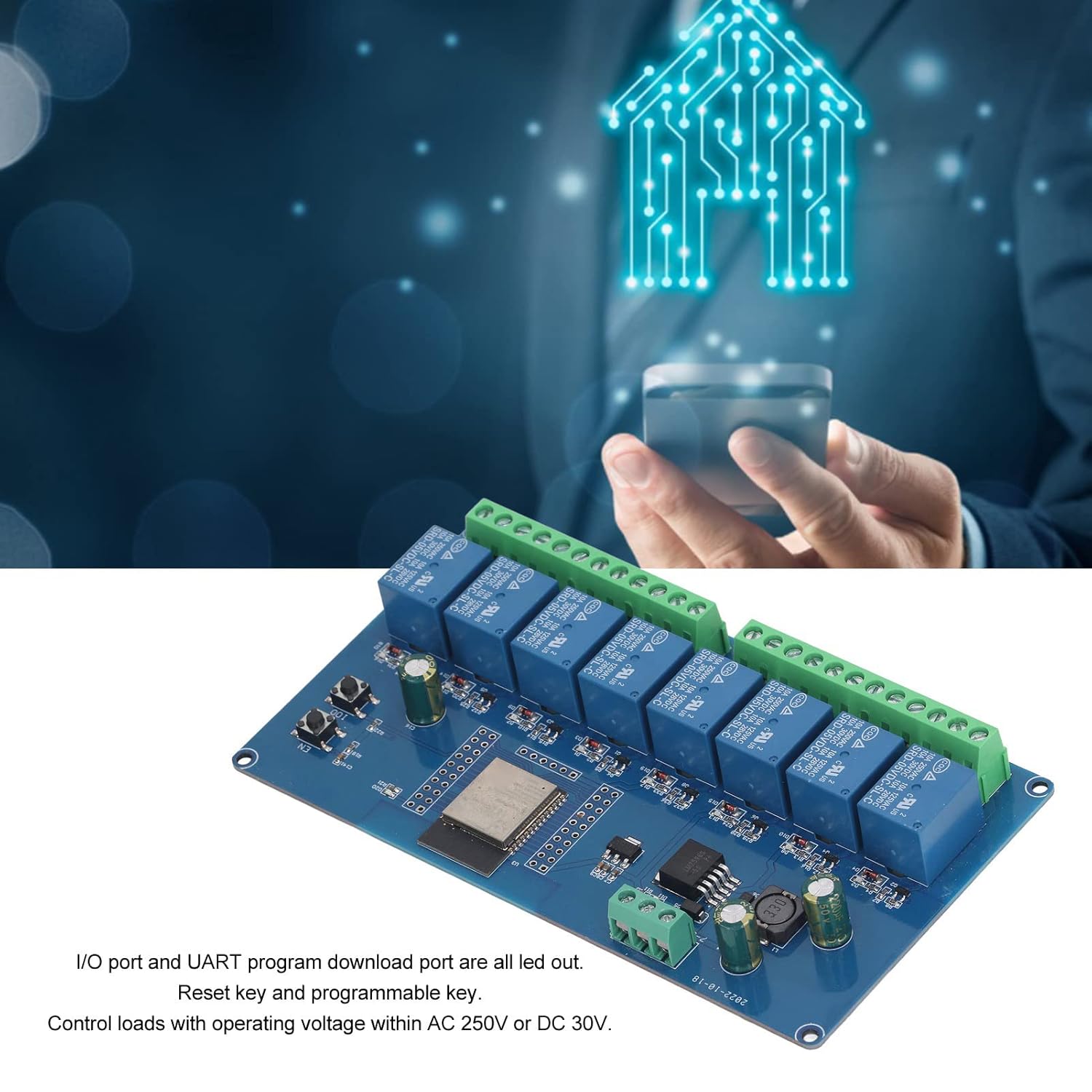
그림 4: 이상view of I/O ports, reset key, and programmable key on the module.
5. 작동 지침 및 프로그래밍
This module is primarily intended for programmable control. Basic operation involves uploading custom firmware to the ESP32 chip to control the relays via WiFi or BLE.
5.1. 릴레이 제어
The 8 onboard relays are controlled by the ESP32 microcontroller. Each relay can be individually switched on or off through software commands. The relays are suitable for controlling loads with a working voltage 최대 250V AC 또는 30V DC.
5.2. Programming the ESP32 Module
The ESP32-WROOM-32E module supports various development environments, including the Arduino IDE and ESP-IDF. To program the module, you will typically need a TTL USB serial converter.
- Connect the Serial Converter: Use a jumper cap to connect the 00 and GND pins on the ESP32 development board. Then, connect your TTL serial port module (e.g., FT232) to the computer's USB port. The connection between the serial port module and the ESP32 development board is as follows:
TTL Serial Port Module ESP32 개발 보드 접지 접지 TX RX RX TX 5V 5V - Select Board in IDE: In your development environment (e.g., Arduino IDE), select the board as "ESP32 Dev Module" under the Tools > Board menu.
- Open and Upload Program: Open your program code. In the Tools > Port menu, select the correct COM port number for your serial converter. Click "Upload" to compile and download the program to the ESP32 module.
- Disconnect and Reset: After successful upload, disconnect the connection between 00 and GND. Power cycle the development board or press the reset button to run your program.

Figure 5: Visual guide for programming the ESP32 module using a serial converter and Arduino IDE.
Relay Pin Assignments: Based on user feedback, the GPIO pins controlling the relays are typically: GPIO32, GPIO33, GPIO25, GPIO26, GPIO27, GPIO14, GPIO12, GPIO13. It is recommended to verify these assignments with your specific firmware or by testing.
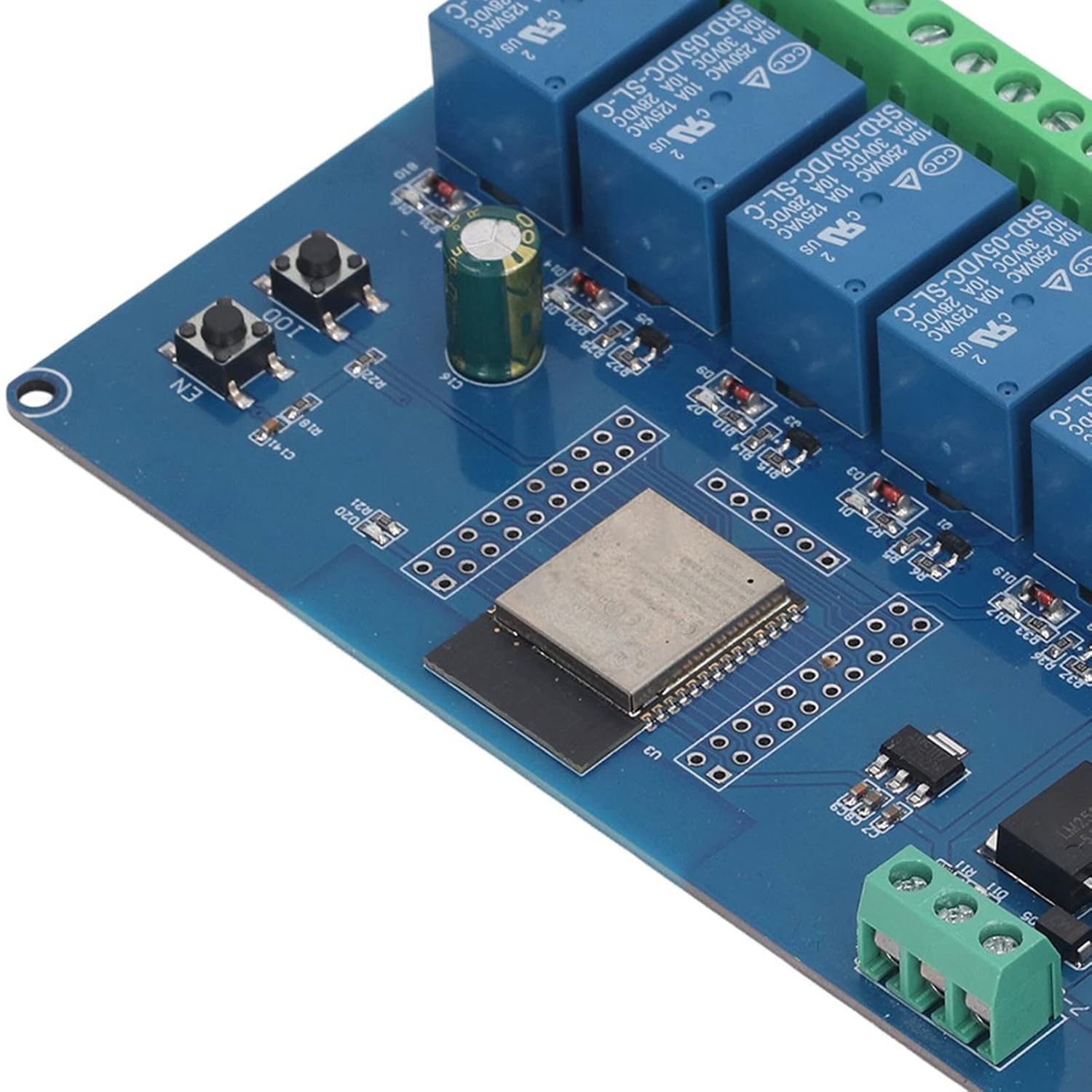
Figure 6: Close-up of the ESP32 module and onboard programmable buttons.
6. 문제 해결
- 모듈의 전원이 켜지지 않음:
- Ensure the DC power supply is within the 5-30V range and correctly connected to the power input terminals.
- 느슨한 연결이나 손상된 전선이 없는지 확인하세요.
- 릴레이가 작동하지 않음:
- Verify your program code is correctly uploaded and configured to control the specific relay GPIO pins.
- Ensure the load connected to the relay is within its voltag전자 및 현재 등급.
- Check for proper wiring between the load and the relay terminals.
- 프로그래밍 문제:
- Confirm the TTL USB serial converter is correctly wired (TX to RX, RX to TX, GND to GND, 5V to 5V).
- Ensure the correct COM port is selected in your IDE.
- Verify that the 00 and GND pins are jumpered during programming and disconnected afterward.
- Check if the necessary ESP32 board definitions are installed in your IDE.
- WiFi/BLE Connectivity Problems:
- Ensure your firmware includes the necessary WiFi/BLE libraries and configuration.
- Check for strong signal strength in the operating environment.
- Verify network credentials if connecting to a WiFi network.
7. 유지관리
To ensure the longevity and reliable operation of your ESP32 Relay Module, follow these maintenance guidelines:
- 깨끗하게 유지하십시오: 먼지와 이물질을 제거하기 위해 부드럽고 마른 브러시로 도마를 정기적으로 닦아주세요. 액체류는 사용하지 마세요.
- 환경 조건: 해당 모듈을 지정된 온도 및 습도 범위 내에서 작동하십시오. 극한 조건을 피하십시오.
- 보안 연결: 모든 배선 연결부를 주기적으로 점검하여 안전하고 부식되지 않았는지 확인하세요.
- 펌웨어 업데이트: Keep your ESP32 firmware updated to benefit from bug fixes and new features.
- 물리적 보호: Consider housing the module in an enclosure to protect it from physical damage and environmental factors.

그림 7: 클로즈업 view of the terminal blocks for power and relay connections.
8. 보증 및 지원
Specific warranty information for this product is not provided in the available documentation. For details regarding warranty coverage, returns, or technical support, please contact the seller or the manufacturer directly. Please refer to your purchase receipt or the seller's platform for contact information.